
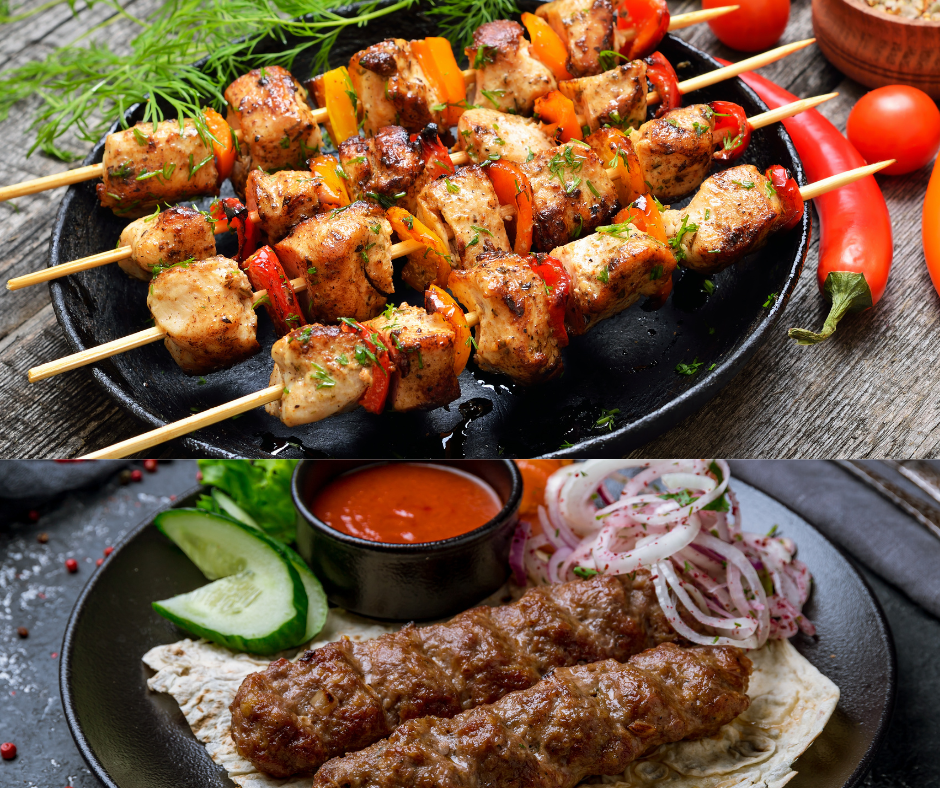
Few foods can cure a craving like a fresh kebab! Whether it’s a doner in warm bread, chicken shish from the barbecue, or a late night mixed kebab platter, kebabs are comfort food for millions.
Which is great, because today it’s never been easier to find one! Most people just pull out their cell phone, type in “Kebab near me” and away they go, letting Google do the rest.
That simple search tells us a lot: it tells us about intent. Unlike people who are just browsing casually for food, a “near me” search is from someone who is ready to act.

They’re not looking for recipes, or trying to figure out their dinner for next week. They are hungry right now, want a kebab right now, and need to know the closest and best option right now.
When these searches are local to restaurants, it is worth its weight in gold – because they are searching with a foot two seconds away from purchasing a kebab.
Unfortunately, just because there is an opportunity in the search, doesn’t mean every kebab shop gets the same search visibility.
Even if two kebab restaurants are on the same high street – Google does not necessarily treat them the same.
One kebab restaurant may appear selected in the Maps Pack showing three results available with images, reviews, and directions to the restaurant, while the other kebab restaurant barely appears at all. And here’s the kicker, it’s not random.
Why “Kebab Near Me” is Important?

The Significance of Local Search) High Purposed Searches that convert When a consumer types in “kebab near me”, they are not browsing; they are being deliberate.
Whether the search is for “best kebab recipes” or “history of Turkish kebabs”, that search has no urgency. The “near me” search shows how badly they want food right now and is looking for the nearest, most trusted option.
The Data That Powers Local Searches The significance of these searches is clearly supported by data. Google has reported that 76% of people who search for something nearby visit a business within a day and 28% of those searches convert into sales.
Meaning every kebab shop that lands on these searches can directly turn search traffic into sales in a matter of minutes. “Why Rank” is Essential However, not every Kebab shop enjoys equal visibility.
Only the businesses that populate the Google Map Pack (the first 3 listings) enjoy the majority of traffic. Customers will rarely scroll further down the page because reviews, photos, and opening times are already captured in their display.
“Kebab near me” is not only a search for food; it is a great lesson on how local businesses can thrive in an online world.
When someone searches for “kebab near me”, they are searching for a local kebab shop; the top-ranking kebab shop gets the sale, while the shop further down the list often goes unnoticed; the same goes for cafes, gyms, hairdressers, and service providers.
Local search has become the new high street. If you cannot be discovered, when everyone is searching, you don’t exist at the exact time customers are ready to buy.
Keyword Variations & How People Search for Kebabs in London
“Near me” searches are not all created equal. “Kebab near me” is the most popular phrase people will type into Google, however, customers will often use different variations for different reasons according to their needs or preferences at that time of day. For kebab shops within London, those these subtle differences can make all the difference in attracting and engaging a different type of customer.
Common Keyword Variations
These variations include:
“Best kebab near me” – indicates that people are looking for somewhere that is said to be and seen as the top or best-rated, they often base this on reviews and the overall star rating.
“Halal kebab near me” – is a significant phrase in many of the diverse sections of London, where halal certification is integral to whether someone ends up eating at the kebab shop.
“Late night kebab near me” – is extremely common, especially in Central and East London amongst those who indulge in late night life and are either seeking food an hour after midnight, or staggering out of a bar or club.
“Kebab shop in Shoreditch” or “kebab shop Camden” – indicates that customers often behaviourally combine “near me” with local area name, especially if they are searching for neighbourhood based kebab shops for cheap, fast, filling eats.
“Cheap kebab near me” – expressed by customers searching for inexpensive options
“Healthy kebab near me” – expressed because restaurants are now advertising grilled, lean and fresh as healthy options for Londoners.
“Doner kebab near me” or “chicken shish kebab near me” – product based search terms where customers know exactly what they are actually looking for.
How Google Determines Ranking on Maps?
When someone types one of those queries, it is not a random process for Google to show results. Google lists results based on several elements:
Proximity: A kebab store nearer to the searcher is more likely to show in the top position.
Reviews & Ratings: Businesses with high ratings and consistent positive reviews will be prioritized. This is especially important for “best kebab near me” Google searches.
Local Citations & Digital Presence: Citations from TripAdvisor, JustEat, UberEats, and Yelp help prove a restaurant’s legitimacy for Google promotions and also enhance visibility.
Why Search Variations for Local SEO is Important?
Each search variation is a display of different customer intent. A customer typing in “late night kebab near me” and a customer typing in “healthy kebab near me” are not in the same buying scenario, even with both customers searching for kebabs!
Restaurants should focus on each phrase as they optimize – through their website, online menus, and Google Business Profile – so they can attract customers of those intentions and pull away from their competitors.
When you are in London’s incredibly competitive food environment, the exploration of keyword variations in local SEO can be the difference between being shown for one search and dominating dozens of searches.
The Great London Kebab Shop Battle: Who Is Where and Why?
Kebabs in London are a cultural phenomenon, but in the social media world we live in, the battle is no longer just about taste, it is an online battle. When hungry customers search “kebab near me”, only a very select amount of shops will show within the Google Map Pack (the first 3 results of local search). The difference of being in this group could certainly mean packed table service versus a full grill.
East London: The Star BBQ Kebab London
In places where they type “late night kebab near me”, these areas are truly focused on nightlife– Shoreditch, Hackney, Stratford, Oxford Street etc.
In these areas kebab shops that stay open past midnight are probably the greatest direct competitor.
Google won’t hide ranking based solely on search term; it will put accurate published opening hours, a large quantity of reviews, and clear GBP categories like “late-night restaurant”, and so on, above kebab shops which simply haven’t updated GBP despite being open.
Central London: Catering to Tourists

If you are in Soho, Covent Garden and Oxford Circus. Then the types of searches that you are likely to see are “best kebab near me”.
When it comes to tourism areas like this. Tourists are heavily reliant on star ratings, photos of businesses, and written reviews. Just before deciding on a kebab shop.
In short, kebab shops displaying professional images. Which have detailed written descriptions and consistent NAP (Name, Address, Phone) across online directories will appear higher in search pack.

A kebab shop located centrally with little or no photos. Which are outdated contact information are much less likely to be shown in the MAP pack of searches.
North London: Home of the Turkish Grill Gifts
Harringay, Green Lanes(Soho, Covent Garden) – locations famous for authentic Turkish kebab shops. Searches with keywords “turkish kebab near me” or “doner kebab in north london” tend to show family run Turkish restaurants, for example, Iskender or Zaza.
The ones that rank high are the family run restaurants with the best online reputations based on hundreds of reviews and star ratings.
Shops that have very little online presence, inconsistent online citations or are poorly presented, get very little organic reach even if they are well known by locals for their fantastic turkish lamb or chicken.
Why One Shop Ranks and Another Doesn’t
Ultimately, appearing in the Google Map Pack comes down to Local SEO fundamentals. A kebab shop that:
- Optimizes its Google Business Profile (with menus, photos, and correct hours)
- Builds positive reviews and responds to them
- Maintains NAP consistency across platforms like JustEat, TripAdvisor, and Yelp
will almost always outrank a competitor that neglects these steps.
The battle for “kebab near me” in London proves that visibility is about more than food—it’s about digital trust. Those who invest in Local SEO capture customers at the very moment hunger strikes.
What This Teaches Businesses About Local SEO
The way London’s kebab shops compete for visibility isn’t just about food—it’s a textbook example of how Local SEO works. Whether you’re running a restaurant, salon, gym, or dental practice, the same lessons apply. To win in “near me” searches, businesses need to focus on five key areas.
Lesson 1: Google Business Profile Optimization
Your Google Business Profile (GBP) is your storefront on the digital high street. Shops that upload professional photos, list menus, update opening hours, and use posts to highlight offers are far more likely to appear in the Google Map Pack. An incomplete profile, on the other hand, signals neglect and lowers trust.
Lesson 2: Reviews & Ratings

In today’s world, reviews are the new word of mouth. When a kebab shop has hundreds of four- and five-star reviews. It naturally rises above competitors in searches like “best kebab near me.” Google rewards engagement, and customers rely on ratings before making decisions. Responding to reviews—positive or negative—shows credibility and can tip the balance in your favor.
Lesson 3: Local Citations
Google wants to see consistency. When your business name, address, and phone number (NAP) match across directories like Yelp, TripAdvisor, JustEat, UberEats, and Deliveroo, it reinforces trust. These local citations act as digital references, proving your business is real and active. Inconsistent details, however, confuse search engines and lower rankings.
Lesson 4: On-Page Optimization
Your website still matters. Kebab shops that create location-specific pages—for example, “best kebab in Hackney” or “halal kebab in Camden”. It give Google clear signals about where they serve. Adding keyword variations naturally into content, headings, and meta descriptions helps capture a wider range of searches.
Lesson 5: Mobile-First & Maps Integration
Most “near me” searches happen on phones, often when customers are already on the move. A mobile-friendly site, clickable phone number, and easy Google Maps integration make it effortless for people to find and contact you. If your website loads slowly or isn’t optimized for mobile, potential customers will bounce to competitors.
How Restaurants Can Outrank Competitors for “Kebab Near Me”
Competing for the top spot in “kebab near me” searches is tough, but restaurants can stand out by focusing on a few smart Local SEO strategies.
- Target Long-Tail Variations
Rather than only chasing broad terms, optimize for specific keywords like “halal kebab in Camden” or “late-night kebab in Shoreditch.” These long-tail searches face less competition and capture customers with clear intent. Dedicated pages or posts that mention location and menu items help Google match your restaurant to these queries.
- Build More Reviews
Reviews are one of the strongest ranking factors. Shops with consistent, positive ratings dominate searches such as “best kebab near me.” Ask happy customers to leave feedback on Google or delivery platforms, and always respond to show engagement.
- Use Schema Markup
Adding schema markup to your website highlights menus, prices, and opening hours in a format Google understands. This increases the chance of showing rich snippets, which boosts clicks and builds trust before customers even land on your site.
The competition for “kebab near me” proves a simple truth: in today’s digital world. It’s not just the quality of your product or service that matters—it’s your visibility when customers are searching. London’s kebab shops show how Local SEO can make or break a business. The ones that optimize their Google Business Profile, build reviews, maintain local citations, and target long-tail keywords win. The ones that don’t? They’re invisible when it matters most.
And this lesson goes far beyond kebabs. Whether you run a café, a salon, a gym, or a professional service, your customers are already searching for you online. The question is: will they find you, or your competitor?
That’s where we come in. At Impulsive Marketing UK, we specialize in Local SEO services designed to help businesses like yours dominate “near me” searches. From optimizing your Google Business Profile to improving your reviews strategy and building local authority. We make sure your business shows up where it counts—right at the moment your customers are ready to buy.
👉 Ready to stop losing visibility and start winning local customers?
Visit us today at impulsivemarketinguk.com to book a free Local SEO consultation or request a full audit of your business’s online presence.
Because in the battle for “near me” searches, visibility isn’t optional—it’s everything.
Can you be more specific about the content of your article? After reading it, I still have some doubts. Hope you can help me.
Your point of view caught my eye and was very interesting. Thanks. I have a question for you. https://www.binance.com/register?ref=IHJUI7TF